#AHS12
We just got back from The Ancestral Health Symposium (AHS12). For any readers who are unfamiliar with AHS, it is a three day conference which brings together scientists, healthcare providers, and lay people who share an interest in living healthier lives, based on Ancestral principals such as whole foods, movement, stress management, community, and sleep. The symposium was held on the campus of Harvard Law School.
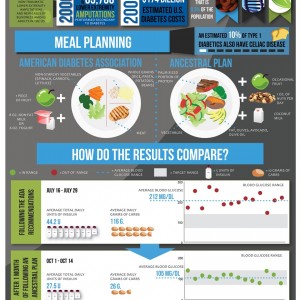
In the fall of 2011 I submitted a proposal to present a poster at AHS12. I felt that we had some important information to share with the community regarding the use of Ancestral nutrition as an adjunct to treatment for Type 1 Diabetes (T1D). As many of you know, this is an issue that hits close to home for us, as Dave (my husband) was diagnosed with T1D when he was 32 years old. We have learned so much in the past 6 years, and want to help other T1D’s navigate this journey. We were ecstatic when our proposal was accepted, and began collecting and sifting through the data. All of our hard work was worth it when we saw the finished product presenting the Effects of Ancestral Nutrition of Type 1 Diabetes.
First, I have to say that the whole experience of AHS12 was so overwhelming and exciting that I could barely think straight! The response to our poster was really positive, and we got to talk with a number of people and answer their questions. We were also visited by some of our favorite people in the community. We met many of our online friends for the first time, and were able to spend more time with people we had met before.
Badier Velji AKA The Lazy Caveman
Bill and Hayley from Primal Palate
The D.C. Area Crew including Bobby Gill AKA Ultragrassfed and Robert Morton from Power Supply
Dallas and Melissa Hartwig of Whole 9 Life
The lectures were interesting and informative, covering topics from The Role of Play in the Development of Social and Emotional Competence to The Science and Policy of Insulin Signaling. I “live Tweeted” the sessions I attended in lieu of taking notes. It was difficult to choose between two sessions taking place simultaneously, and I am looking forward to watching the videos of every presentation again. I will most likely write more about certain lectures in the future; but, some of the highlights for me were:
- City Zero: How Markets and Evolution Can Revolutionize Medicine by Robb Wolf
- Health vs. Performance by Keith Norris
- Using EvoBio to Optimize Training for Endurance Sports by Jamie Scott
- Paleolithic Diets and Diabetes Control by Lynda Frassetto
- Craniofacial Dystrophy by Mike Mew
- Ubuntu: A Paleolithic Perspective on Human Community and Health by Frank Forencich
For me, the lecture on Ubuntu really drove home the importance of living as part of a community, the idea that if one of us does well, then we all do well. I really hope that as the Ancestral Health community grows, we can all support the work of others and bring the message to the people who most need to hear it. I had the sense of being part of a tribe for three days, and had fun while connecting and learning. I’m sure that many people will do re-cap posts in the next week, and there will be the inevitable criticism of presentations (this is normal and necessary for the growth of any group/profession/movement); yet, I for one feel very fortunate to have been part of this event. I’ll close with a few more photos of my tribe:
Robb Wolf, who told me multiple times throughout the 3 days “I like standing next to you…you make me feel tall!” Such a cool guy – really down to earth and easy to be around.
J. Stanton of Gnolls.org, with whom I had the pleasure of talking during dinner one night with the Whole 9 Life Team.
The remnants of our amazing dinner at The Garden at The Cellar where we had the most incredible meal crafted specifically for us by Chef Brandon Arms with input from Melissa.
Q & A with Mark Sisson and Robb Wolf
My fellow tiny Paleo Warrior Amy Kubal
Our Kiwi and Aussie pals Jamie and Anastasia
And the one and only Jude AKA SmartSexyPaleo, who is one of our favorite people on the planet!
We are already looking forward to AHS13 and hoping to present again!
Today’s post is a testimonial from a client who had been dealing with chronic pain due to Lyme Disease and Fibromyalgia. She was referred to me for a consultation and has had excellent results after implementing a “Whole 30″ eating plan. I’ll let you read her story in her own words:
A lot of you are probably wondering why you should do a Whole30. I wondered the same thing when I met with Ann in May. As a full-time working mom, I figured it was normal to be tired, foggy, and achy all the time. Everyone can drink coffee at midnight and fall asleep a half hour later right? (Um…if you can, I’ve been told that’s not a good sign…)
The back story: A little over a year ago, one of my kids gently patted my head and pain ran through me like a lightning bolt. That episode was a wake up call because I realized I was in pain, foggy headed, and downing Advil and coffee like it was going out of style. After a couple of doctor visits, I was diagnosed with Lyme disease and fibromyalgia. They treated the Lyme disease and started me on fibro medication. The meds helped somewhat, but were not a complete fix. Something had to give. Pain sucks! Chronic pain sucks even more!Enter Ann: Ann was recommended to me not too long ago as someone who has had success in controlling autoimmune disease symptoms through dietary changes. I reached out for a consult. She suggested two options when we met. Either try a Paleo diet, or really see what could be causing some of my issues and try the Whole30.Both seemed extreme. My thoughts went something like, “Whaaat? No muffin on the run? How will I get the kids out the door? What about the Tagalongs in the pantry? Maybe I need to finish the box before I start this? Cut back on coffee? No wine? No way!“
In spite of my mind spinning with what she said, Ann made a lot of good points. I took her recommendations home with the thought of starting Paleo a few weeks down the road, slowly, by cutting out one thing, then the next, and so on.
Fast forward a week. On a business trip, I was sluggish, downing coffee like crazy, and just feeling blah. Ann’s words came back to me. No time like the present, right? I started my Whole30 that morning.
The first couple of weeks were interesting (OK – somewhat sucky) as my body adjusted to the lack of sugar and bread, and less caffeine. I had headaches. I dragged. I thought, “Is this really worth it? Why do I feel cruddy still? Where can I buy coconut milk in a can?”
By the end of the 2nd week , things changed. I was asleep by 11 most nights. I didn’t toss and turn in bed. I woke up refreshed. Who knew this could happen?
Add two more weeks to that, and the fibro fog lifted. Most (but not all) of my pain was gone. Tagalongs? Meh – they didn’t beckon like they once would have. Coffee became a morning drink only because I was wired into the night otherwise.I am on Day 37 of my Whole30. I can reintroduce foods that I haven’t had in over a month. I’m not really interested in doing that because I don’t miss them, and I am pretty sure my body still has some healing to do. I am also hesitant to try (gluten especially) because of how my body may react. These foods are now a decision instead of a craving.All that to say, the Whole30 has made a whole lot of difference in how I feel. So, who knows, it could help you too!
Greetings from balmy Northern Virginia where it’s 80 degrees at 8:40am!
I hope everyone is enjoying the start of summer. I wanted to share an article I wrote as a guest post for Sarah Ballantyne (AKA The Paleo Mom) on the role of physical therapy as part of the comprehensive treatment plan for folks with Autoimmune Illness. http://bit.ly/NmOCZh
It is my hope that the 23.5 million Americans with AI will seek out the expertise of a physical therapist as they strive to regain a healthy, active life. Please share this article with anyone you know who has an AI.
Thanks!
Be well,
Ann